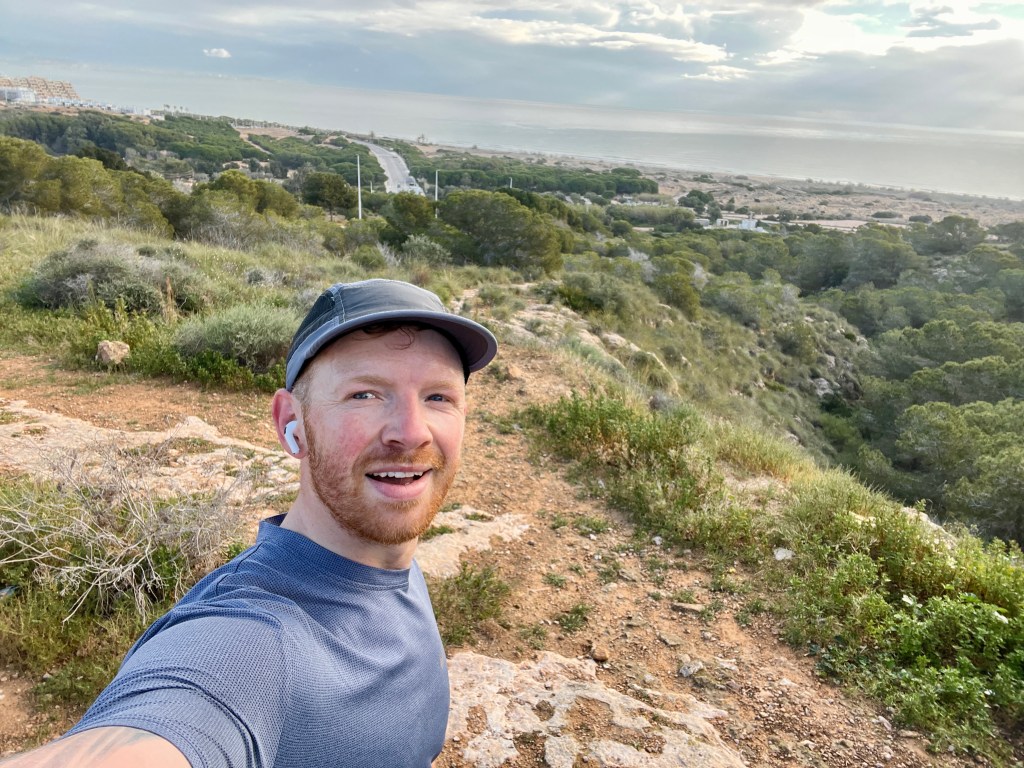
If you ask Google what ‘fit’ looks like, you’ll find page after page of beautiful, tanned and toned models flexing and covered in freshly applied oil-cum-‘sweat’. The same images would adorn the pages of every Muscle Mania and Female Fit magazine that people would buy for their health, lifestyle, and fitness advice 20 years ago. While there have been some adjustments to what the ideal physique looks like, and the limits of human capability are constantly being adjusted, the image of ‘fit’ has often appeared to be unattainable.
But the real question is – does it need to be?
A lot of people aspire to be ‘fit’, but what exactly does being ‘fit’ look like? It seems that for most, the journey of becoming ‘fit’ is a never-ending road of twists, turns, fad diets, social judgement, and lots of misinformation. What starts as a well-intended New Year’s resolution to reduce alcohol intake, start eating more green vegetables, and sign up to a new gym membership quickly turns into late-night snacking because “one more can’t hurt”, skipping the gym because you’ll “start on Monday”, or scrolling social media telling yourself that soon you’ll get the bikini-beach-muscle bod like your favourite influencer.
The challenge is less in achieving the state of ‘fit’ but in adjusting our mindset and view of what being fit means. To me, being fit is the ability to live an active lifestyle, enjoy partaking in my favourite sports, and doing so long into old age. I love being able to take my husky, Zuko, on fun walks and play with him in the garden, and I certainly want to be able to keep up with my future children. By adjusting our view of ‘fit’ from being a goal to instead being an ongoing journey and lifestyle, we stop trying to cut corners and fast-track our way to achieving the unattainable.
Definition: Fit (adjective)
‘Of a suitable quality, standard, or type to meet the required purpose… to be in good health, especially because of regular physical exercise.’
Considering the above definition, it is important to consider what being ‘fit’ means for you. It might be that your version of ‘fit’ is being able to enjoy a morning stroll down the beach with your family, enjoying your weekly yoga sessions, or having great sleep knowing that you’ll wake up feeling energised and ready for your day. For other people, being ‘fit’ might be running a sub-3-hour marathon, squatting 300kg, or even competing at the highest level in their sport. Despite your level of fitness or your goal, there are certain routines and habits that are fundamental when trying to maintain a ‘fit’ lifestyle.
Sleep
It goes without saying that poor sleep negatively impacts many areas of our lives. Crappy sleeping habits have a direct correlation with low energy and lethargy, terrible physical recovery, increased anxiety, high blood pressure, decreased Leptin (fullness response) and increased Ghrelin (hunger response), and generally puts you in a terrible mood. Having a consistent sleep routine is therefore essential, and isn’t hard to achieve.
Step 1: Try to go to bed at the same time every night.
Step 2: Avoid using devices as you’re readying yourself for sleep, ideally an hour before. But if I’m being realistic, just avoid scrolling on social media, reading emails, or online shopping as you’re lying in bed.
Step 3: Sleep in a cool environment if you can. Our body temperature usually drops by 1-2℃ as we fall asleep, so opening a window or turning on a fan or the AC will help you drift off into a deep sleep. Having a warm shower or bath before bed can also help.
Step 4: Avoid long lay-ins if you can. Being consistent when you wake up is also important. Having long lay-ins or hitting the snooze button on your alarm can impact the long-term quality of your sleep by reducing your REM and deep sleep, with irregular sleeping patterns making you feel like you’ve got jet lag. This also has a knock-on effect for those dreaded Monday morning 6am blues.
“But I’m not a morning person, I’m a night owl! I can’t sleep early.”
While I like waking up earlier in the morning, and I consider myself more of a morning person, maintaining good sleeping habits is more about consistency than the specific time you go to bed. The key is to consistently go to bed and wake up at the same time while clocking the recommended 7-9 hours of sleep each night. For most people, however, they have to wake up early to get ready for work, and so getting 7-8 hours of quality sleep will require you to be in bed by 10 or 11pm. If you think this first habit is already unattainable, try what I’m suggesting. Set your alarm for the same time each day, your body will adjust and you’ll start feeling sleepy at the same time each day.
Eating habits
“You are what you eat” is a well-known saying for a reason. Fuelling your body with high-quality foods complete with proteins, carbohydrates, and fats, as well as staying hydrated and using electrolytes and vitamins, will set you up for each day feeling fantastic. Despite what you might think, this doesn’t mean that you have to avoid your favourite foods. It means being consistent with eating whole foods and trying to avoid excessive consumption of alcohol and overly processed foods.
As a general rule, try to keep each meal balanced: ensure your meals contain a protein source for recovery, carbohydrates for energy, and fats for brain health and hormone balance.
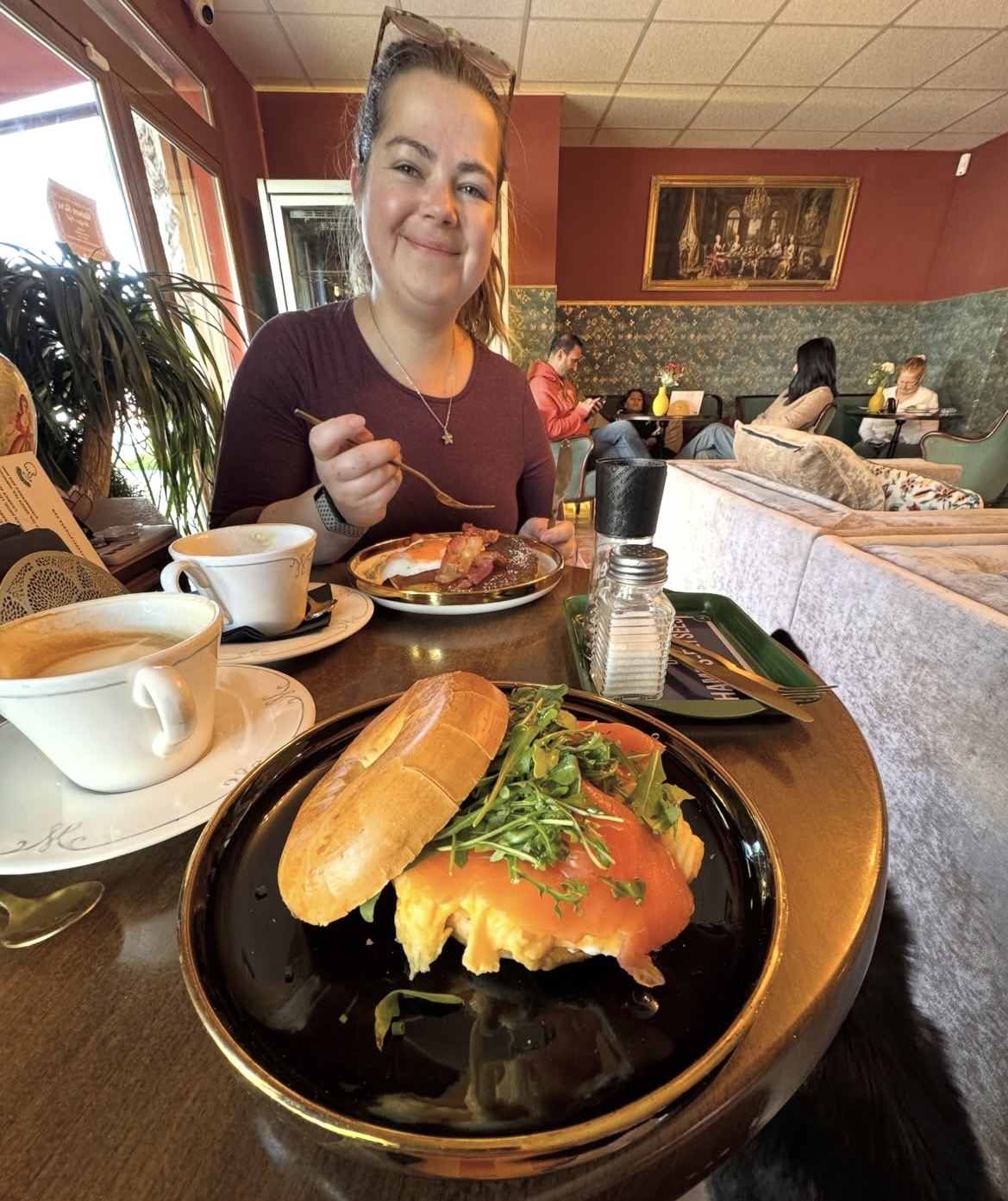
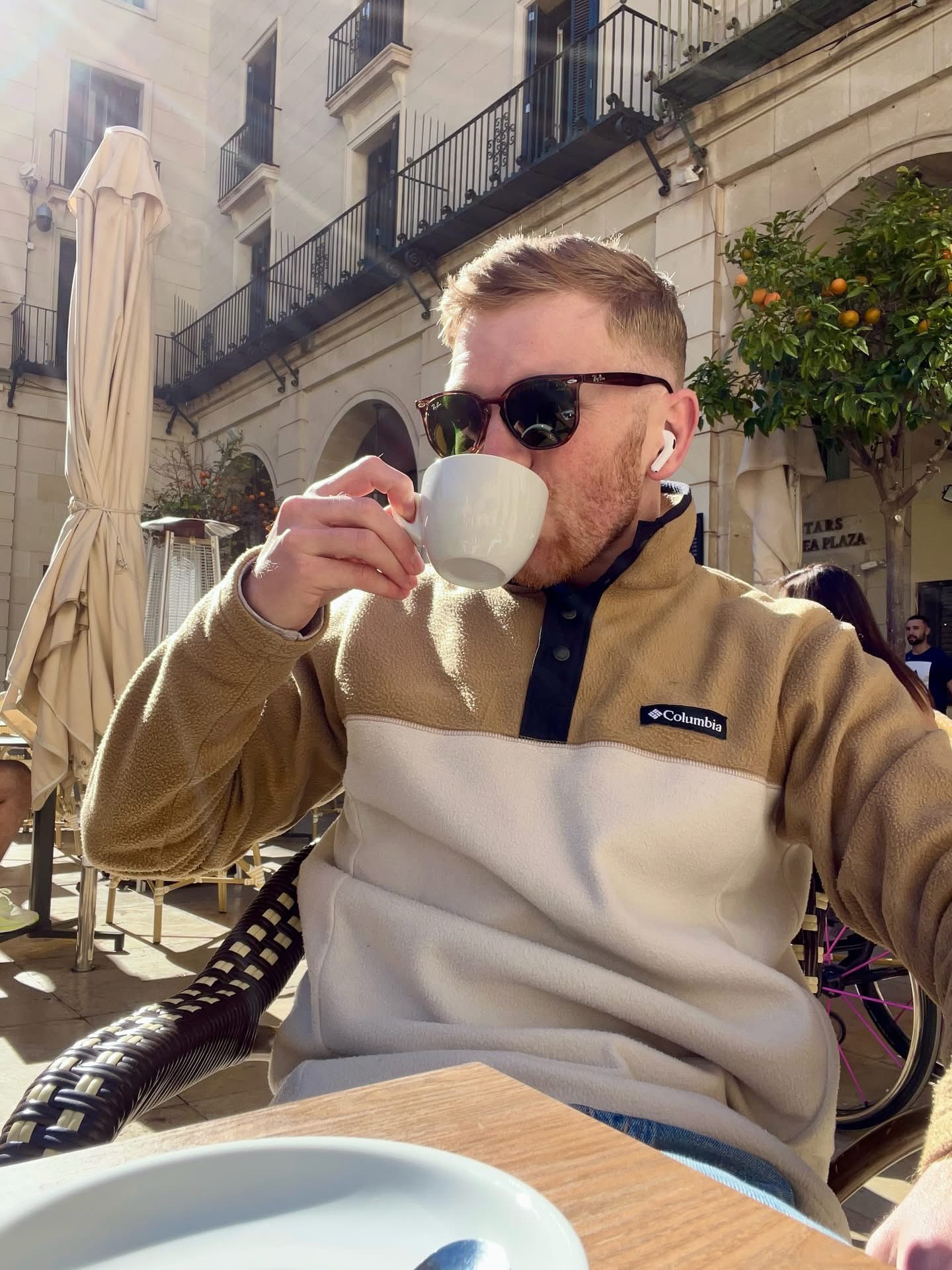
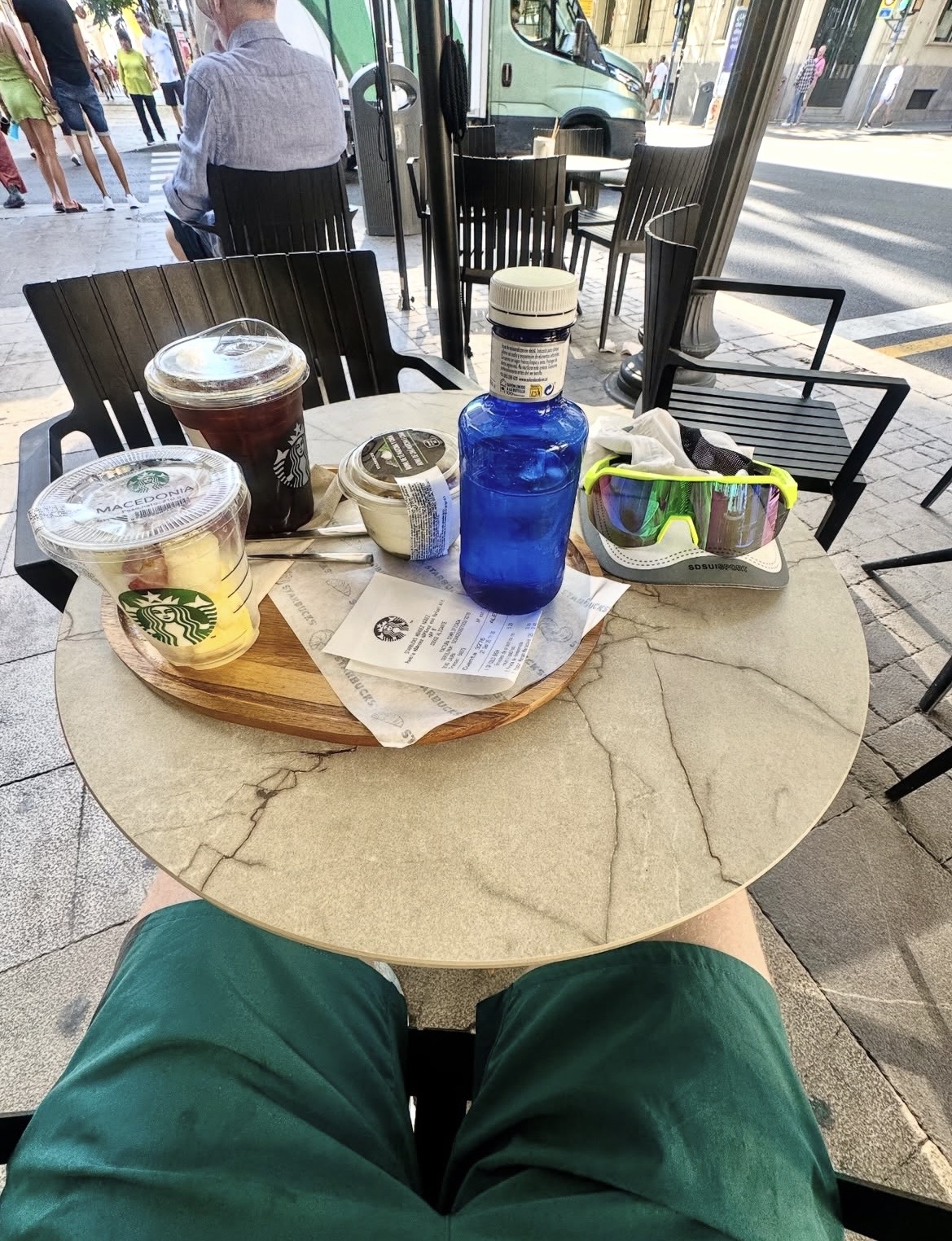
While talking about eating habits, drinking habits are also incredibly important. With 60% of the human body being water, staying hydrated is critical. It keeps you alert, prevents headaches and migraines, and supports recovery by helping the body transport oxygenated blood and nutrients around your body. A fantastic habit that I have developed is drinking a glass of electrolytes each morning. With our body losing up to 500ml of water each evening, rehydrating in the morning and staying hydrated throughout the day and after exercise keeps you firing on all cylinders.
It’s also at this point that I’ll briefly talk about alcohol. Let me start by saying that I’m not against drinking alcohol, and I often enjoy a cold beer while watching football or a nice glass of Rioja with dinner – and you can’t beat a gin and tonic on a hot summer’s day. However, it’s no surprise that drinking often, and especially in excess, is less than optimal. Alcohol reduces the quality of your sleep dramatically, raises your resting heart rate, and in most cases makes you feel terrible the next day. If you drink alcohol, try not to overdo your consumption and I’d suggest adopting the habit of only drinking on the weekends. Or don’t – it’s your life.
You may have noticed that I haven’t yet used the word diet. There’s a good reason for this. The word diet comes with certain connotations. Despite the word meaning the food that we habitually eat, many people associate the term diet with dramatically reduced calories, not eating their favourite foods, hunger, and previous failed attempts at eating more healthily. I suggest avoiding using the term diet as a verb and instead consider your diet as everything you eat, always. That includes the occasional beer and Friday night pizza, your favourite chocolate bar or snack. When thinking of your diet in this way, you will see that your diet isn’t a short-term fix but a long-term and hopefully permanent fixture as part of your healthy lifestyle.
Exercise
Finally, we come on to exercise, a key element of every healthy and fit lifestyle. While some people love the idea of exercise, others hate it. Regardless of your thoughts on doing exercise, it is essential to feel great and live a long and prosperous life. Humans have naturally evolved to move for survival; whether seeking land to grow crops, finding mates, or hunting, it’s part of our biology. Unfortunately, many people are used to the comforts that modern life affords us, and the challenges that come with exercise can seem daunting. The good news is that regardless of your view of exercise, there is always something you can do to move your body and maintain an active lifestyle.
When it comes to exercise, we can look at it in several ways. There is cardiovascular exercise that strengthens your heart and overall makes you feel ‘healthy’. Then there is resistance and strength training. This builds muscle, strengthens your ligaments and tendons, and is proven to prolong your life into old age.

You can choose to train in these ways independently through activities like running, cycling, and swimming; signing up to a gym; competing in CrossFit or doing calisthenics; or you can take up other sports. Many people take joy in team sports like football, basketball, or netball where they don’t just develop cardiovascular endurance and strength but also teamwork.
Exercise doesn’t have to feel like a chore or a challenge – it can be and should be enjoyable. If you don’t currently partake in exercise, you should definitely consider starting, but as with most things, jumping in headfirst is not the best idea. Starting off slow and building up consistency is key. Before you know it your body will adapt and you’ll feel more capable. You can then slowly increase the number of sessions, the distance, or the weight – this is a term called progressive overload, and over time will make you a stronger and fitter version of yourself.
So, what does it mean to be ‘fit’? It means developing a healthy and balanced lifestyle suitable for you and your interests. Developing routines and habits that make you feel good and help you live a long and prosperous life. No fad diets, crash-course fat loss plans, or miracle ab routines – just lifelong, sustainable changes that enhance your life.



 Active With Alex
Leave a comment