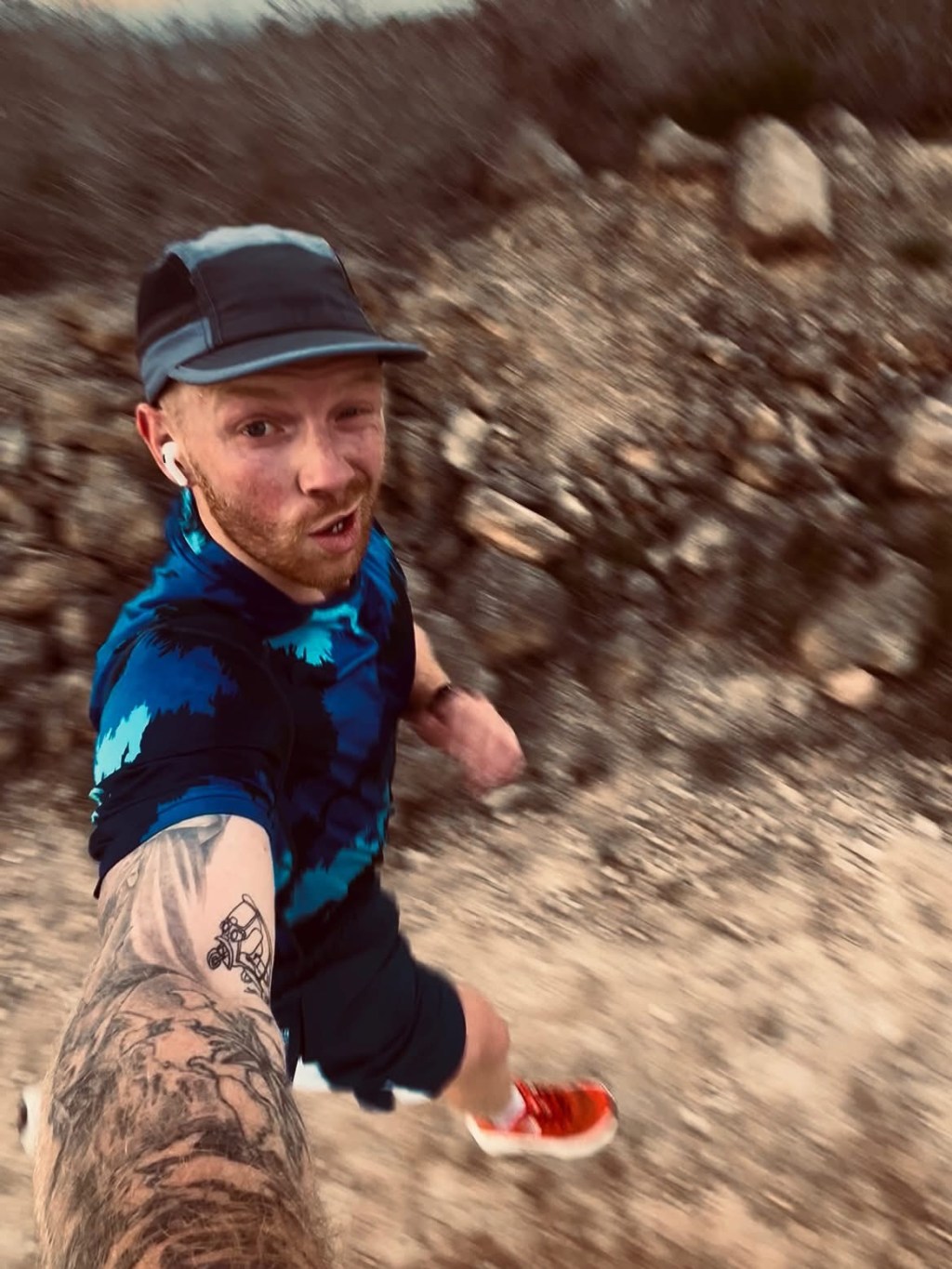
And yes… it actually matters.
Contents
Why people think they “hate” sport
My experience growing up around sport
Where the dislike really comes from
The “sporty person” myth
Social media and unrealistic expectations
How to actually find your sport
Why staying active matters (the science bit)
Final thoughts
Why people think they “hate” sport
“I’m just not sporty.”
I’ve heard this countless times, almost as if people are claiming-quite confidently-that they were born with some kind of adverse reaction to anything remotely active. These statements are usually followed by a story. A militant PE teacher. The dreaded bleep test. Or perhaps an overly enthusiastic parent who thought a freezing Sunday morning walk, a painfully long fishing trip, or yet another activity-filled camping weekend was exactly what everyone wanted.
Over time, these experiences stick. People adopt this carefree, almost dismissive attitude towards sport, like it’s just “not them.” It becomes part of their identity. And strangely, being seen as sporty is sometimes viewed as uncool, or as something that takes away from their current image.
My experience growing up around sport
I’ve learned that it can be very difficult to “convince”-if that’s even the right word-that person that sport is actually inclusive. That it doesn’t matter where you start, what your fitness level is, or how good (or not so good) you think you are. What matters is just starting. Trying different things. Seeing what sticks.
It’s even harder to shift someone’s mindset from enduring exercise to actually enjoying it.
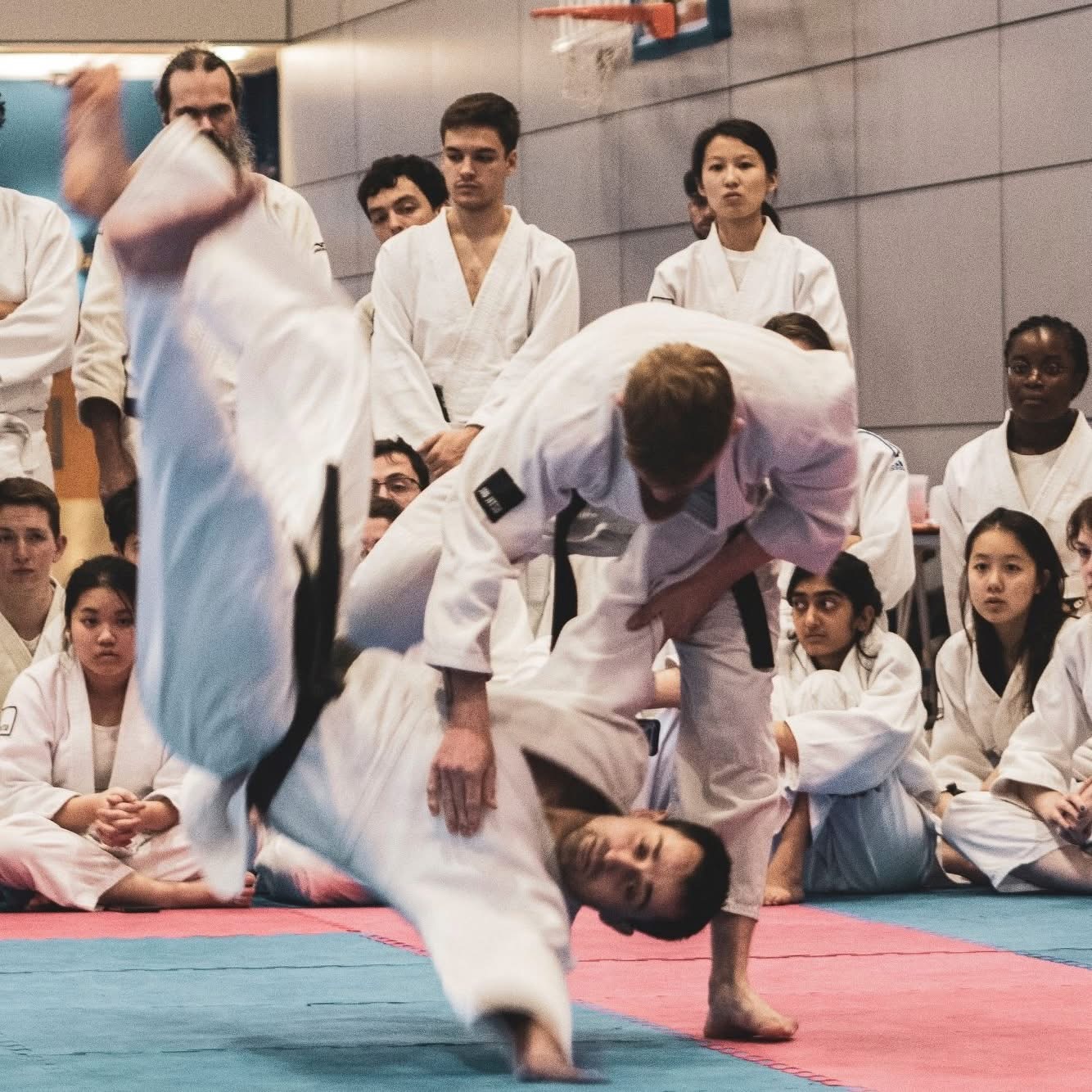
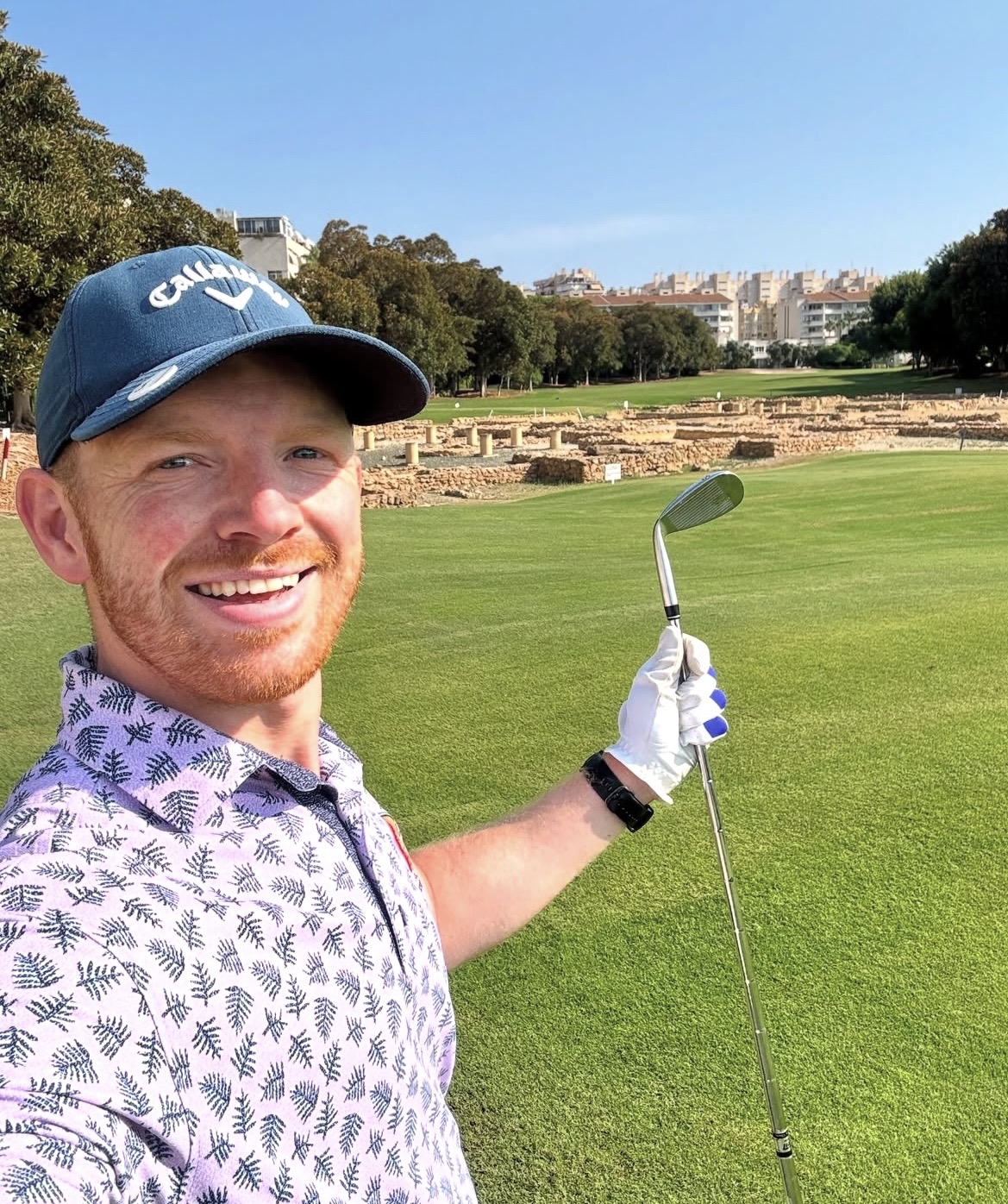
And I understand why. When I’ve had these conversations, people are often sceptical-sometimes they completely switch off. After all, I’ve always been active. I’ve played a wide range of sports growing up, from indoor rock climbing during school holidays to football, cricket, badminton, snorkelling, scuba diving, and even martial arts.
Reflecting on this now, I realise something important. Yes, I had active parents, but more than that, I was encouraged. Genuinely encouraged to try new things. Supported when I found something I enjoyed. Whether it was being bought my first cricket bat or searching for shin pads that actually fit my tiny legs, being active felt natural.
And I want to be clear-I was never forced into sport. I just enjoyed it. I liked competing. I liked moving. I found it fun.

Where the dislike really comes from
As a teacher, and previously a martial arts coach, I’ve seen this from the other side. Plenty of children love sport, but just as many claim they hate it.
Usually, that dislike comes from somewhere real. They find it difficult. They feel less fit than others. They struggle with the teamwork side of things. Or, in some cases, they’ve been treated unfairly-made to feel embarrassed or judged because they’re not the fastest, strongest, or most coordinated.
That kind of experience sticks.
But here’s what I’ve also seen time and time again: when those same children try something different, their mindset can completely change. Whether it’s boxing, skateboarding, tennis, or something less traditional, they find a space where they feel comfortable. Where they feel included. Where they actually enjoy it.
And suddenly, they don’t “hate sport” anymore.
The “sporty person” myth
I think a big part of the issue is how we view sport in such a binary way. You’re either a “sporty person” or you’re not.
But that’s not how life works.
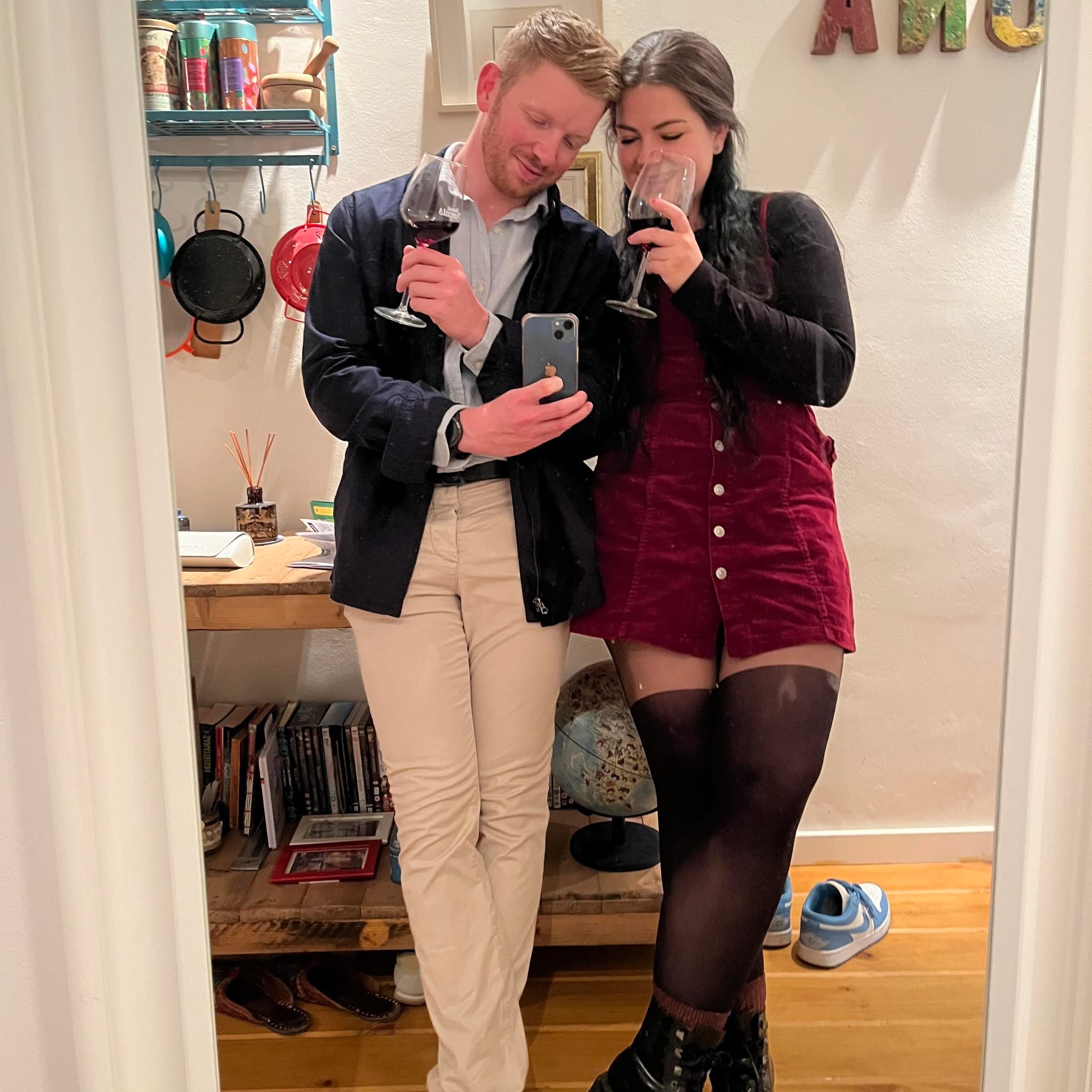
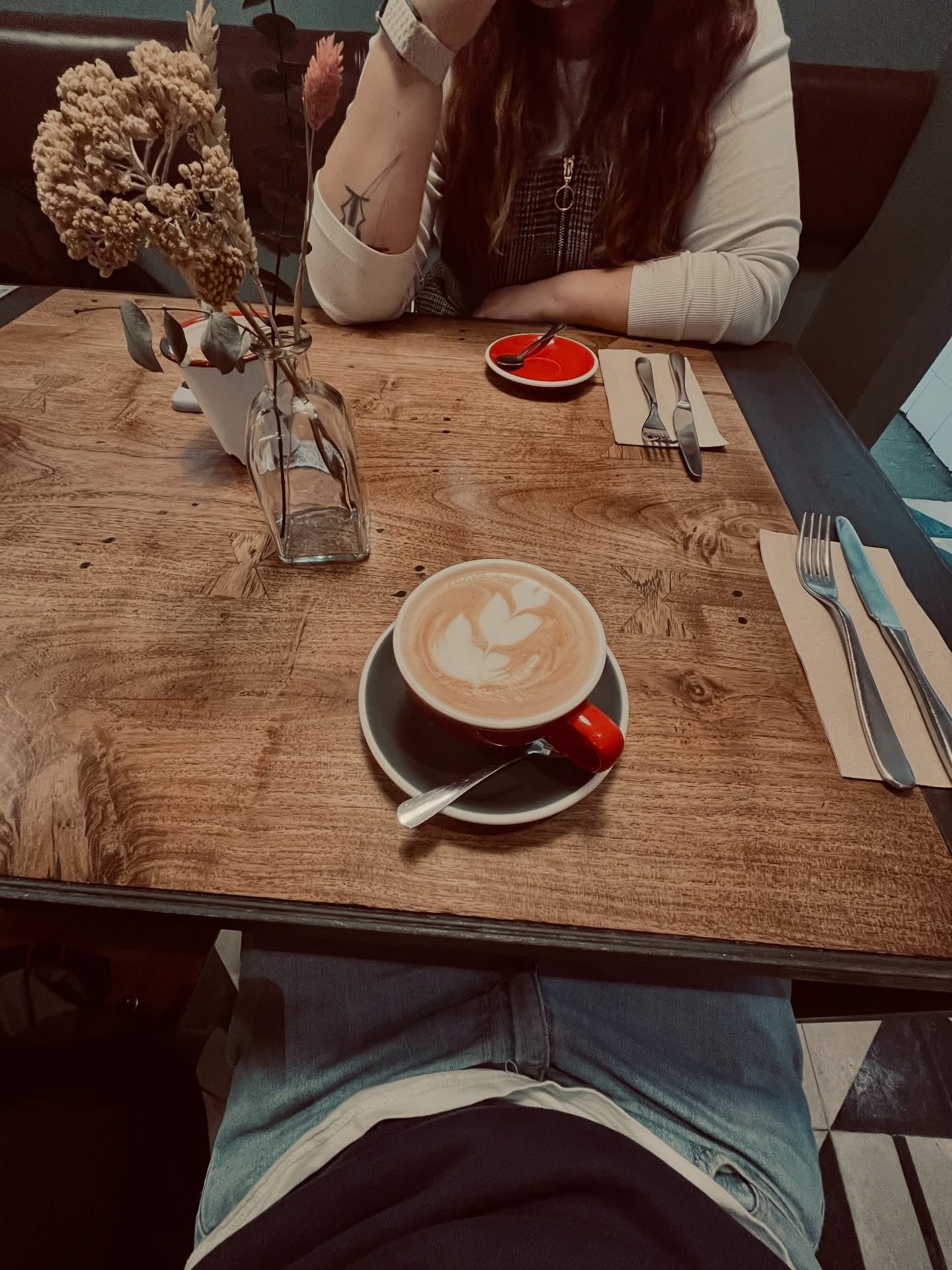
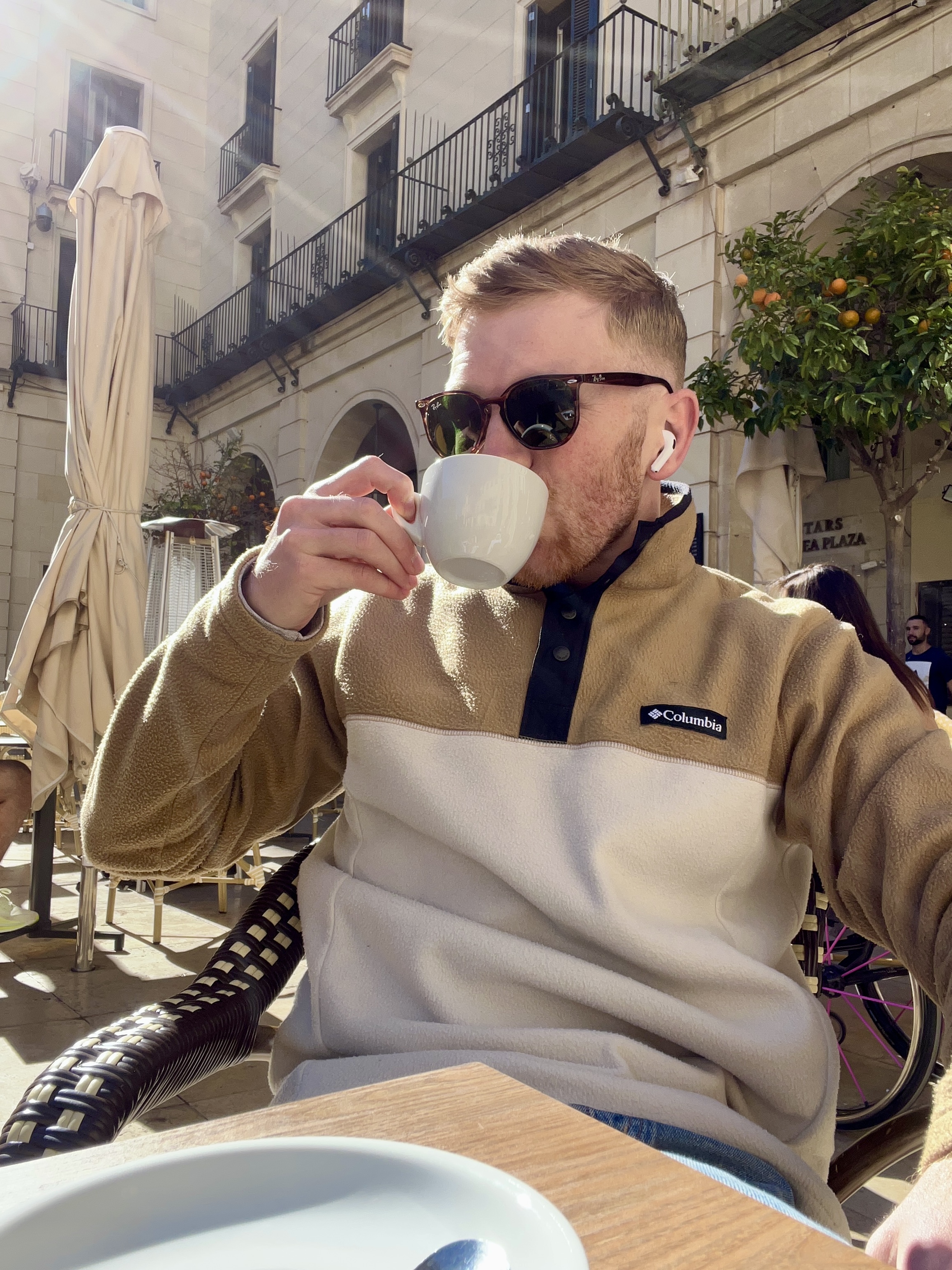
I love sport-the competitive side, the feeling of being part of a team, and the health benefits it gives me. But I’m also a creative person. I enjoy writing (like I am right now), taking photos, filming content, and exploring my local area. I’m also very happy being a bit of a “foody”-enjoying a good coffee in the morning, or sipping on a rich Rioja in the evening while searching for the best tapas in town.
Being labelled shouldn’t stop you from trying new things. And enjoying sport doesn’t mean it has to define you.
Social media and unrealistic expectations
Then there’s the added pressure of social media.
The online world presents “healthy” and “sporty” in a very specific way-strict diets, low body fat, six packs, perfectly tanned bodies, and in many cases, a little bit of help from good lighting… or more than just lighting.
It creates this unrealistic benchmark.
There’s a phrase that sums it up perfectly: comparison is the thief of joy.
I remember, particularly during my late teens and early twenties, looking at fitness influencers and thinking that’s what I should aim for. Looking back now, it’s quite funny. Not just because staying in that kind of shape is literally their job, but because I was comparing myself to something that was never realistic for me.
I’m a pale, 5ft 8 redhead. I don’t tan. I don’t have the same genetic makeup as many of the athletes I was looking up to. And, quite frankly, I don’t love it enough to build my entire life around it.
For many people, though, that comparison becomes overwhelming. Instead of enjoying sport for what it is-the way it makes you feel, the friendships it creates-they don’t try at all.
Joy, stolen.
How to actually find your sport
So how do you know what sport is for you?
You just try. It’s as simple as that.
As children, we’re constantly encouraged to try new things. “How do you know you don’t like it if you haven’t tried it?” Somewhere along the way, we stop asking ourselves that same question.
The longer we avoid trying something new, the harder it feels to start.
That’s why we admire the 70-year-old who still cycles, swims, or plays tennis. It seems to break the norm, but really, they’ve just never stopped. They wake up with energy, with purpose, and with something they genuinely enjoy doing.
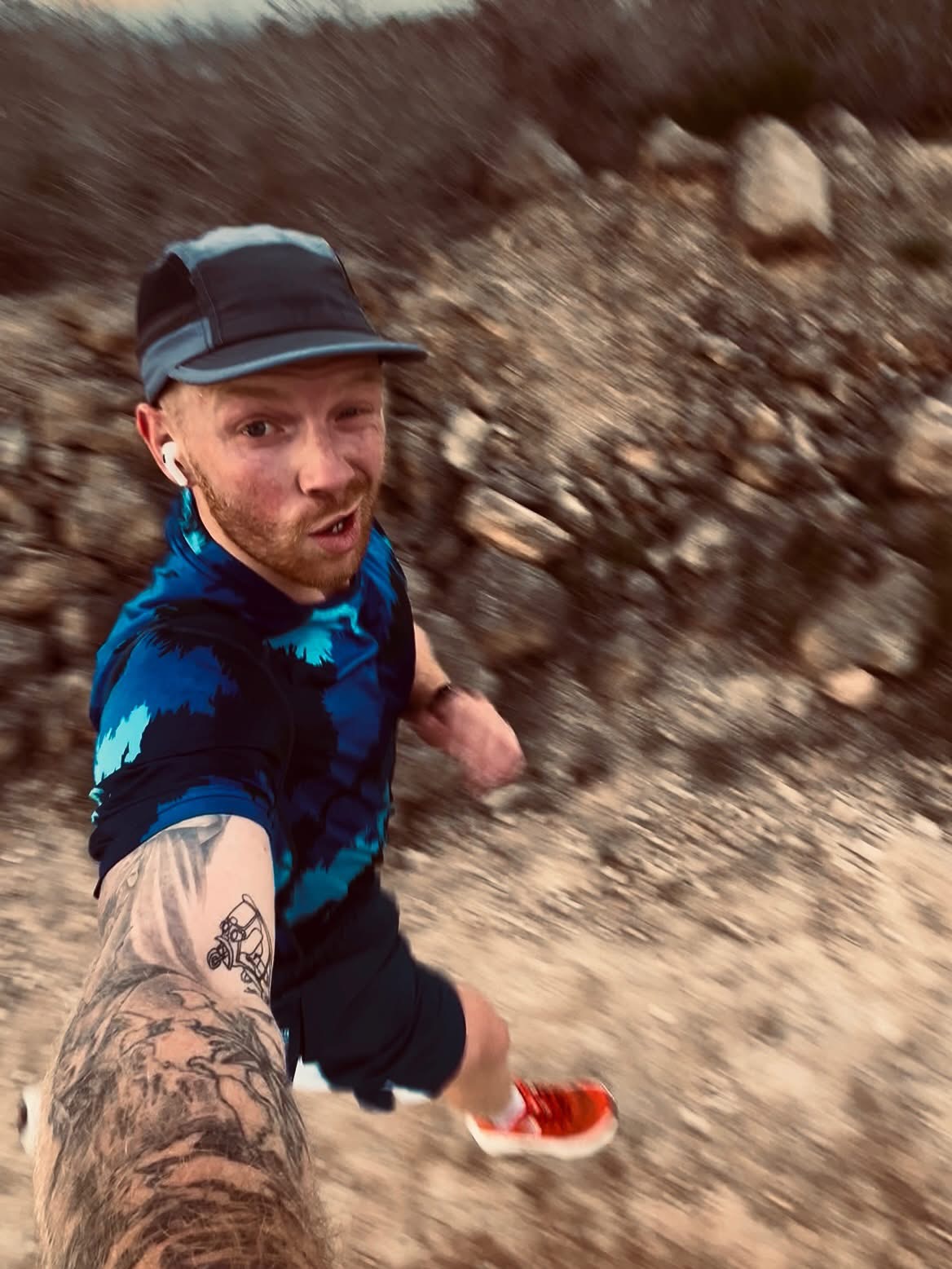
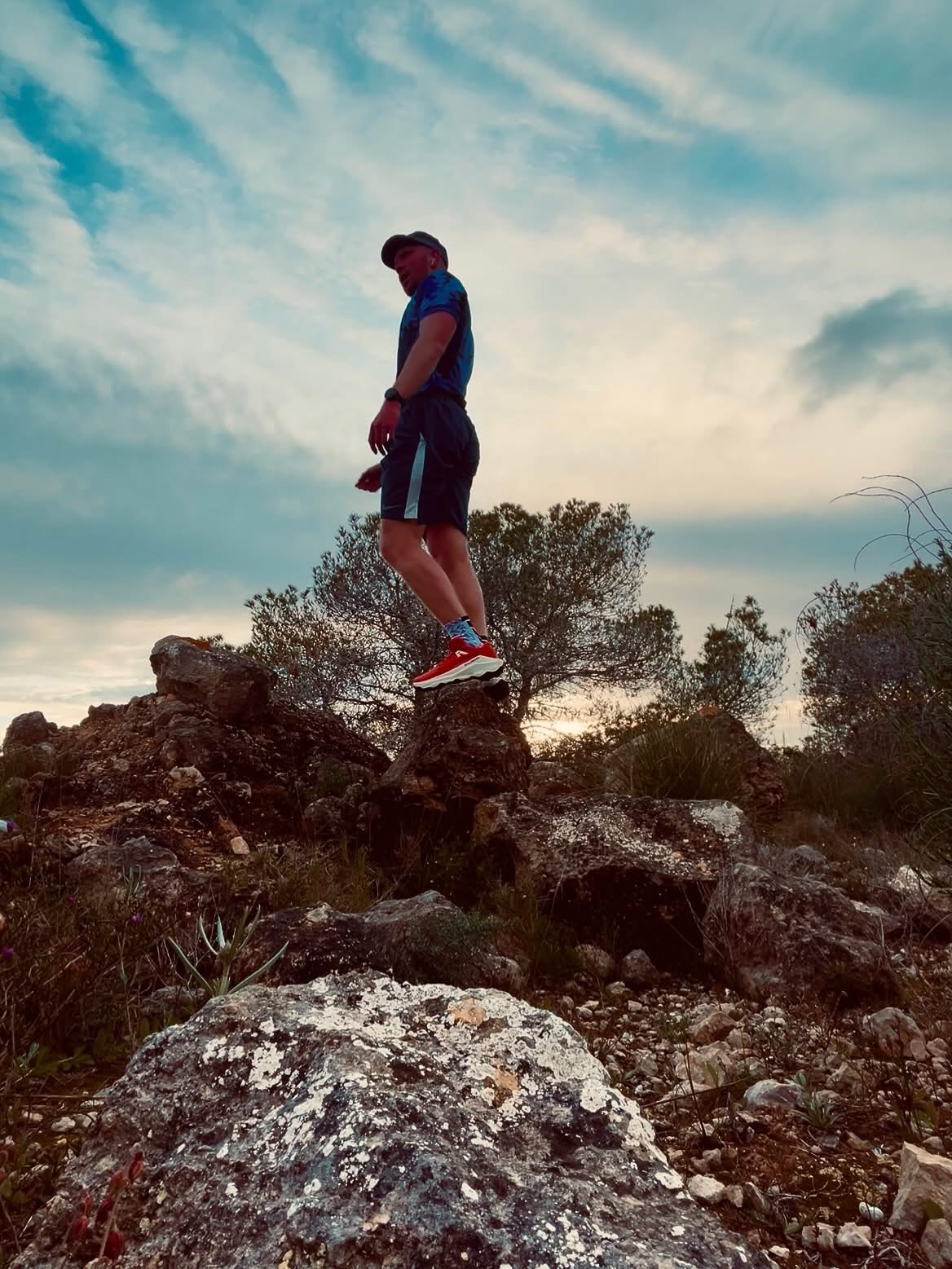
Recently, I’ve started trail running. New shoes, local trails-nothing groundbreaking. But it’s new, it’s fun, and I’m excited by it. That feeling of trying something new doesn’t disappear as you get older-we just stop chasing it.
Why staying active matters (the science bit)
This is the point where I get a little more serious. Not in a “telling you off” kind of way, but because it’s important to understand what actually happens if we don’t stay active.
From your 30s onwards, your body naturally begins to lose muscle mass-a process known as sarcopenia. Less muscle means less strength, which increases your risk of injury and slows down recovery. If you’re in your mid-30s or beyond, you’ll already know the feeling-more aches, longer recovery, and injuries that seem to appear out of nowhere. And speaking from experience, injuries suck.
At the same time, bone density begins to decline. Bones become weaker and more fragile, which is why falls later in life can be so serious. The good news is that weight-bearing activities, like running or strength training, can actually help strengthen bones by forcing them to adapt.
Your cardiovascular system also becomes less efficient as you age. The heart has to work harder to deliver oxygen around the body, which is why energy levels often drop. Training your cardiovascular system improves this, making you feel more energetic and reducing the risk of heart disease and stroke.
There’s also the effect on brain function. Cognitive decline is a natural part of ageing, particularly when it comes to memory, but exercise helps slow this process. Improved blood flow and the release of brain-supporting proteins can reduce the risk of conditions like Alzheimer’s and help keep your mind sharper for longer.
And then there’s metabolism. As we age, it slows down, making it easier to gain fat and harder to regulate blood sugar. This increases the risk of conditions like diabetes. Exercise improves insulin sensitivity and helps maintain lean muscle, making it easier to manage these changes.
Final thoughts
So no, I’m not trying to convince you to suddenly become a “sporty person.”
But I do believe this: there is a type of movement out there that you will enjoy. You just might not have found it yet.
It doesn’t have to be intense. It doesn’t have to be competitive. It could be as simple as going for a walk, doing a bit of yoga, or playing something casually with friends.
What matters is that it feels enjoyable. That it gives you energy. That it becomes something you want to do, not something you feel forced into.
Because when you find that thing, everything changes. You feel healthier, more energised, and more connected-not just to others, but to yourself.
And if nothing else, it might just give you a few extra years to sit back, relax, and enjoy a good glass of wine.
Which, in my opinion, is reason enough.
 Active With Alex
Leave a comment