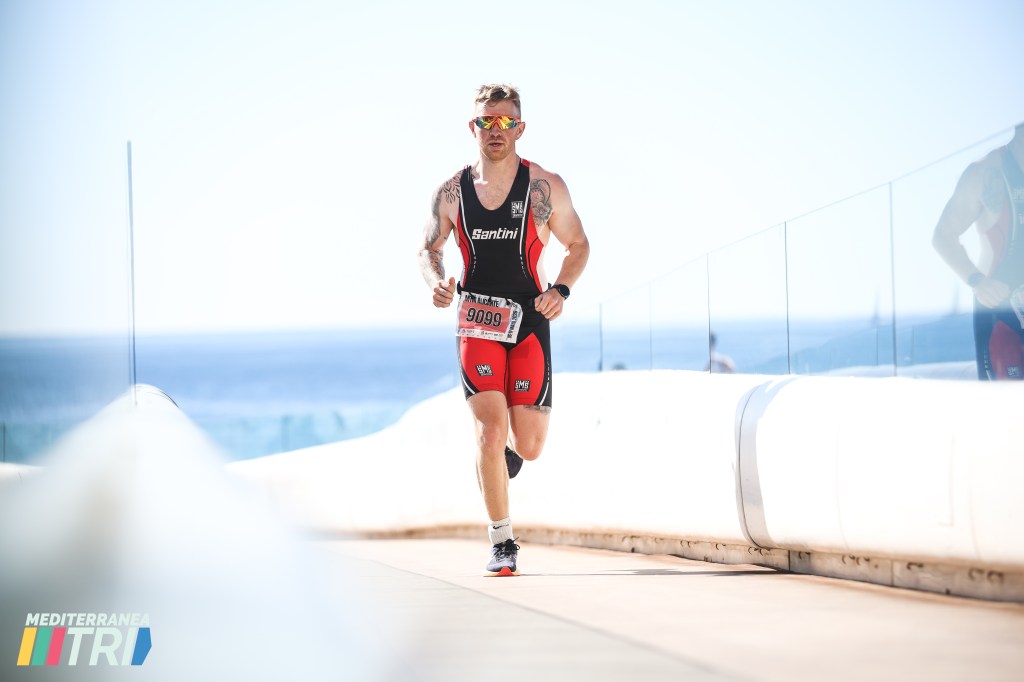
The Real Reason You Hate Running and How Adjusting a Few Simple Steps Can Make Your Running Experience Feel So Much Better
Many people claim to hate running with statements like, “It hurts. It takes too long. It’s boring, and I’m just not a very good runner.” While some of these statements may well be justified, and they may be right in their assessment of their own running ability, I think there is more to it than that. Over the next few pages, I intend to break down some of the key mistakes beginner runners make that cause running to feel harder, place a greater negative impact on the body, make the experience more boring and less sociable, and generally make the whole process far less enjoyable. As a result, many people want to quit before they have even really begun.
Before I get into the nitty-gritty, I want to give some context behind why I feel qualified to make these observations about people who claim to dislike running. I have always been very sporty. From a young age, I was involved in sports like football and badminton. As I got older, I took on martial arts, and from the age of 18, I became heavily involved in the gym. Throughout this time, running was something I did occasionally, but it was never something I truly dedicated myself to. I would never have considered myself a runner.
It was during the COVID-19 lockdown, while still living in the UK, that I developed my running much further. I used my one hour of outdoor exercise each day to stretch my legs, hit the pavements, and get outside. At the time, I was 25 years old. I was fit, capable, and very confident in my sporting ability. Running, however, was not something I had specifically practised or developed, so naturally, I found it very challenging. Yes, I could run around my local park. Yes, I could complete a fairly comfortable 5 km. Running further than that, however, even up to the popular 10 km mark, proved extremely challenging and pushed me far beyond my capabilities at the time.
Fast forward to today. It is now 2026. I am 32 years old, and I have successfully completed three half marathons within a four-month period. A 10 km run, which once felt incredibly difficult, is now a distance I can complete comfortably, quickly, and without putting too much thought into it.
With this in mind, I am writing this article from a place of both understanding and experience. I understand that running can feel really hard, but the reason I have been able to improve so much is not because of running itself, but because of my approach to it. Over the last seven or so years, my approach to training has improved, become more efficient, and ultimately made me a much better runner.
So, with that being said, let’s dive into the main reasons why I believe new runners give up before they have even really started. Here is my list of key factors that make a beginner runner’s journey feel harder and far less enjoyable.
Overestimating Your Ability
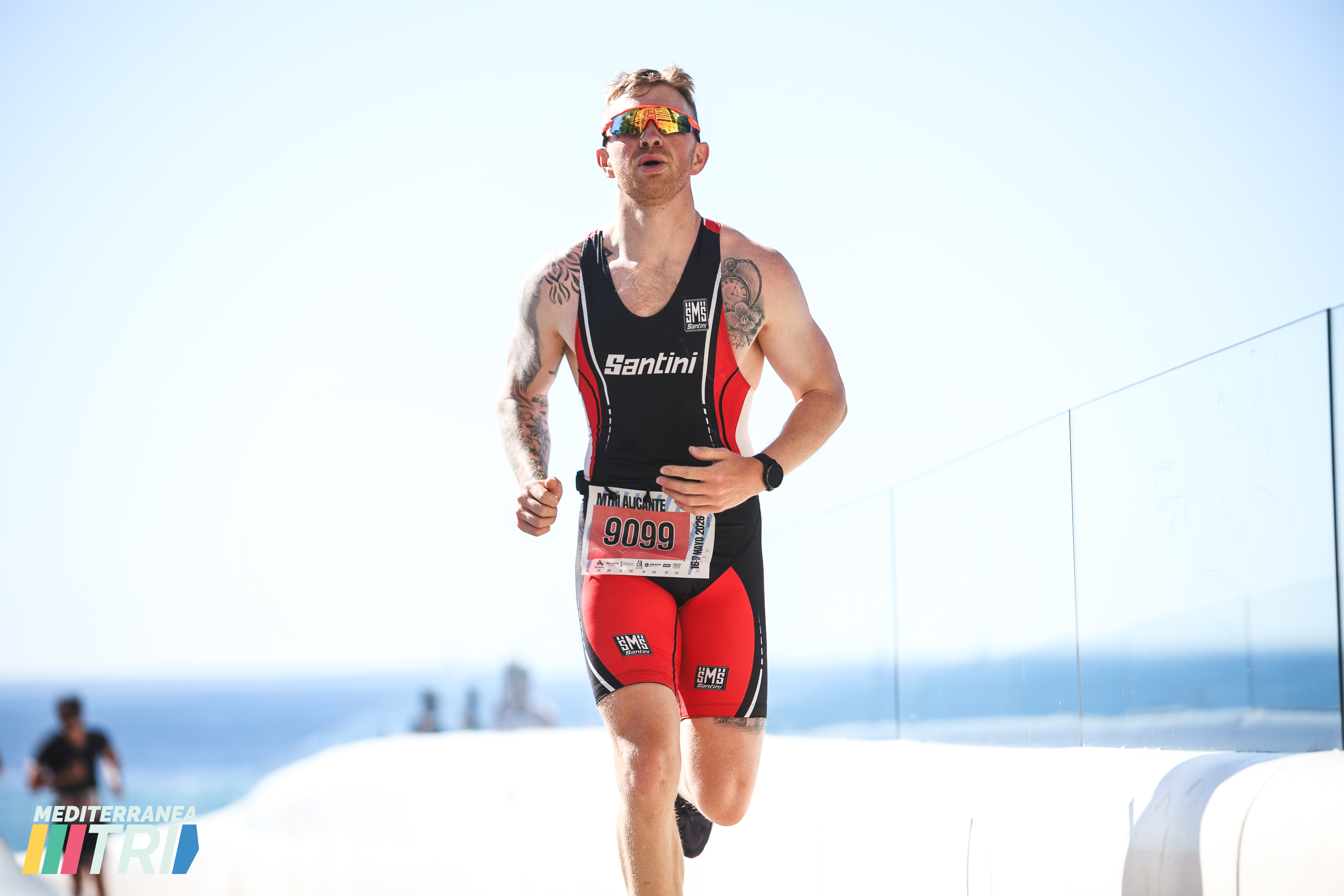
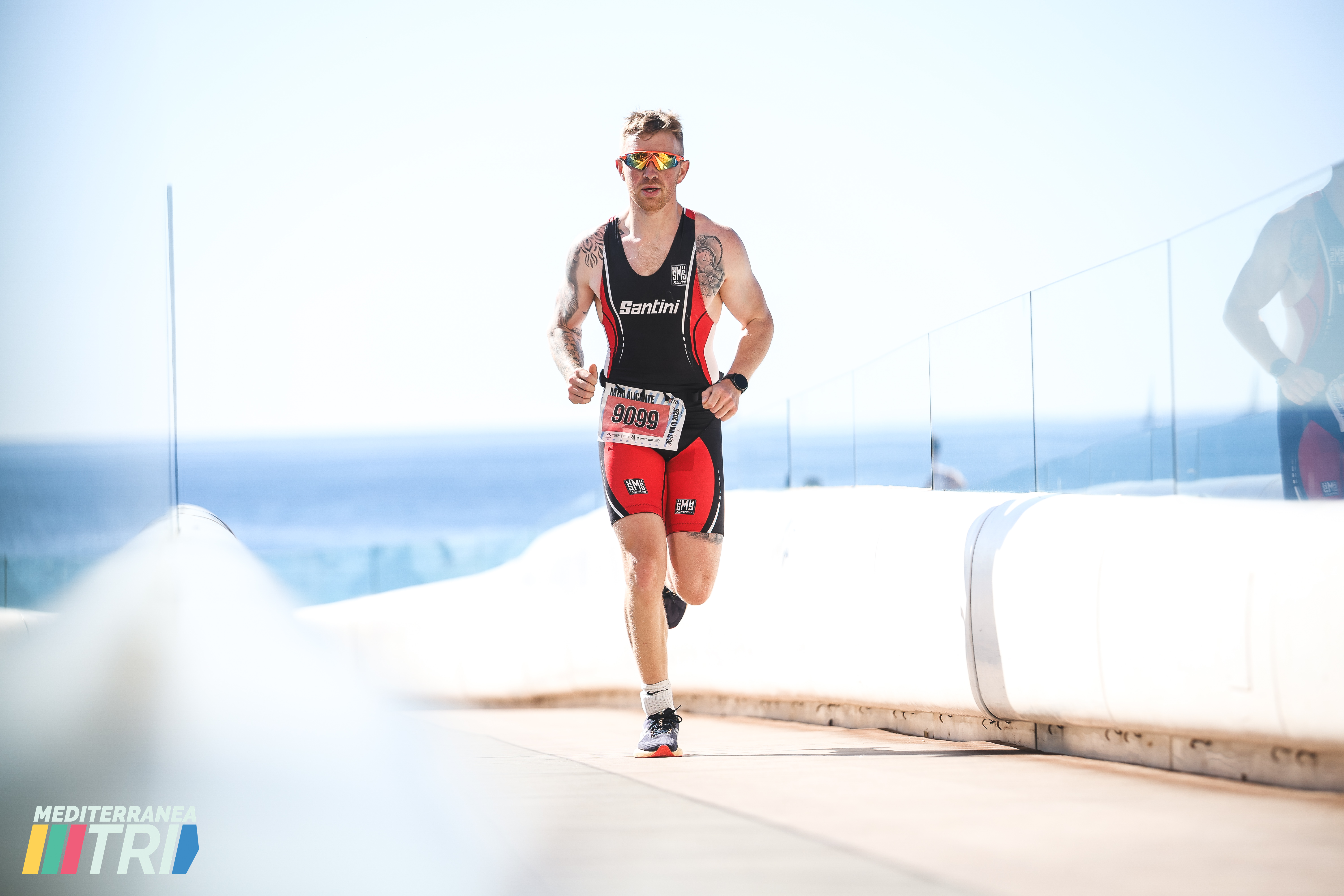
If you were to ask the average non-runner how far or how fast they think they could run, I imagine their answer would be far more optimistic than reality. The reason for this is that people often have a base expectation, probably influenced by social norms, of how far they should be able to run. This means that when they finally lace up their running shoes, throw on their sunglasses and sun hat, and head out for their first run, they get a rude awakening.
The run they thought they would complete with relative ease suddenly feels far harder than expected. Watching weekend runners smiling and chatting as they cruise around the park can make running look effortless. The reality, however, is often very different. Unfortunately, what tends to happen next is that people feel demotivated. Their original hope of becoming “a runner” quickly turns into the uncomfortable realisation that they are not as fit or as capable at running as they first thought.
If this sounds familiar, either from your own experience or someone else’s, then I have some good news. As long as you are prepared to accept that running is genuinely difficult at first, and that it is going to feel harder than you think it should, you can absolutely get past this hurdle. Once you adjust your expectations, running starts to feel far more achievable.
So, what can you realistically do to begin running, and how far should you be running in order to improve?
My first piece of advice is simple: do not worry about distance. Find somewhere manageable and achievable for you. Maybe it is your local park, or perhaps it is a route near your house that you already enjoy walking. Start with a shorter distance so that after your first few runs, you feel capable and encouraged rather than defeated.
Attempting smaller, more manageable runs is far more beneficial than jumping straight into a long run that leaves you exhausted or forces you to stop halfway through. Like many things in life, there is a Goldilocks zone when it comes to running. Too short and too easy, and you might become bored. Too long and too difficult, and you may feel incapable. What you want is the sweet spot where you feel challenged enough to gain a sense of achievement, but not so overwhelmed that it feels impossible.
Find that Goldilocks distance for you, and if anything, err slightly on the shorter side. You are far more likely to enjoy yourself and come back for more.
You’re Running Too Damn Fast
Yep, you read that correctly. You are probably running too fast.
When you first start running, your pace should feel comfortable. The objective is not to sprint through the beginning of your run and survive the rest. The objective is to maintain a sustainable effort for the entire distance. Whether you are running 1 km, 3 km, 5 km, or more, you want to feel relatively comfortable throughout.
One of the best tips most runners can follow is to start slower than they think they should. As your body naturally becomes more tired during the run, the energy you saved at the beginning will help carry you through to the end. You will feel far better finishing your planned distance comfortably than starting too quickly, burning out halfway through, and needing to stop.
This concept is not just for beginners. Competent runners, elite athletes, and even world-record holders follow this exact principle. Start slower, build into the run, and then increase your pace towards the end. In the running world, this is known as a negative split, and it is a strategy many runners aim to achieve.
If you are reading this and thinking, “Hang on, Alex, I only know one pace, and that’s running pace,” don’t worry. That is a completely normal place to start.
Many beginner training programmes include a combination of walking and running during the early stages. Programmes such as NHS Couch to 5K are specifically designed for complete beginners. They alternate periods of walking with periods of running in order to make the sessions feel achievable and sustainable.
And before you ask, no, walking is not cheating. The goal here is to create positive experiences. If incorporating walking into your runs helps you enjoy the process and stay consistent, then absolutely include it.

Lack of Consistency
As with most things in life, the more consistent you are with running, the faster your body will adapt. Running becomes easier, more comfortable, and more enjoyable because your body becomes better at doing it.
To begin with, set yourself two running days per week. Spread them out evenly so you have enough time to recover between sessions, and stick to this routine for the first two or three weeks. If you feel capable after that, increase to three runs per week.
The key here is listening to your body. Do not force yourself to run further or more frequently if you still feel sore, tired, or achy. Your body needs time to recover between runs so that it can properly adapt. If you constantly feel exhausted or in pain, you are far less likely to stay motivated.
From my own personal experience, I have learned one important lesson: running does not get easier. You simply become a stronger, more efficient, and more capable runner. Your body adapts to the demands you place upon it, and over time, you become better than you once were.
However, if you are inconsistent, your body never truly has the opportunity to adapt. As a result, every run continues to feel harder than it needs to.


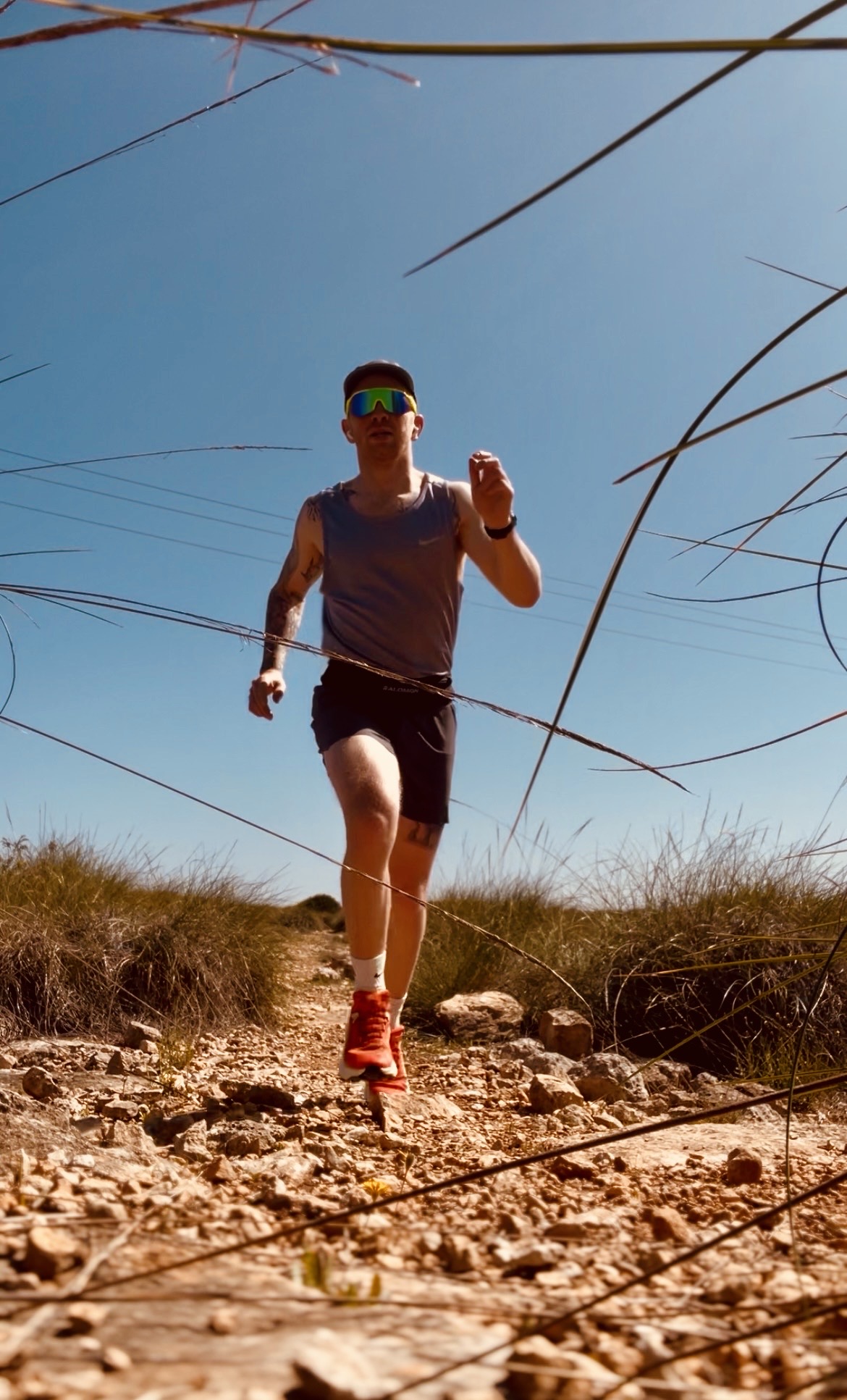

Your Running Shoes and Clothes Make a Big Difference
It goes without saying that what you wear will impact how comfortable running feels. Running in jeans, dress shoes, or high heels is obviously a terrible idea. However, even some sports clothing may not be suitable for running either.
You want clothing that feels comfortable on your body. For some people, that may mean tighter-fitting running gear, while for others, it may mean looser clothing. Comfortable running socks are also incredibly important, as they help prevent rubbing and blisters.
Depending on your body composition, you may also benefit from using Vaseline or another anti-chafing product to prevent discomfort during longer runs.
Arguably, however, the most important part of your running kit is your running shoes.
There are countless running shoes available on the market. Some are extremely expensive and designed for elite runners chasing race times, while others are much cheaper and aimed at casual users. So, which should you choose?
As a beginner, your priority should be comfort. You need a pair of shoes that feels stable and supportive, especially while your feet and ankles are still adapting to the demands of running.
The best thing you can do is visit a running shop and try on several different pairs. Different brands suit different feet, and what works perfectly for one person may feel terrible for another. Many running stores also offer fitting services where trained staff can help guide you towards a suitable option.
A cheeky top tip: once you find a pair you love, you can often find the exact same shoes cheaper online afterwards.
How to Avoid Running Boredom
I completely understand why some people think running is boring. However, it really does not have to be.
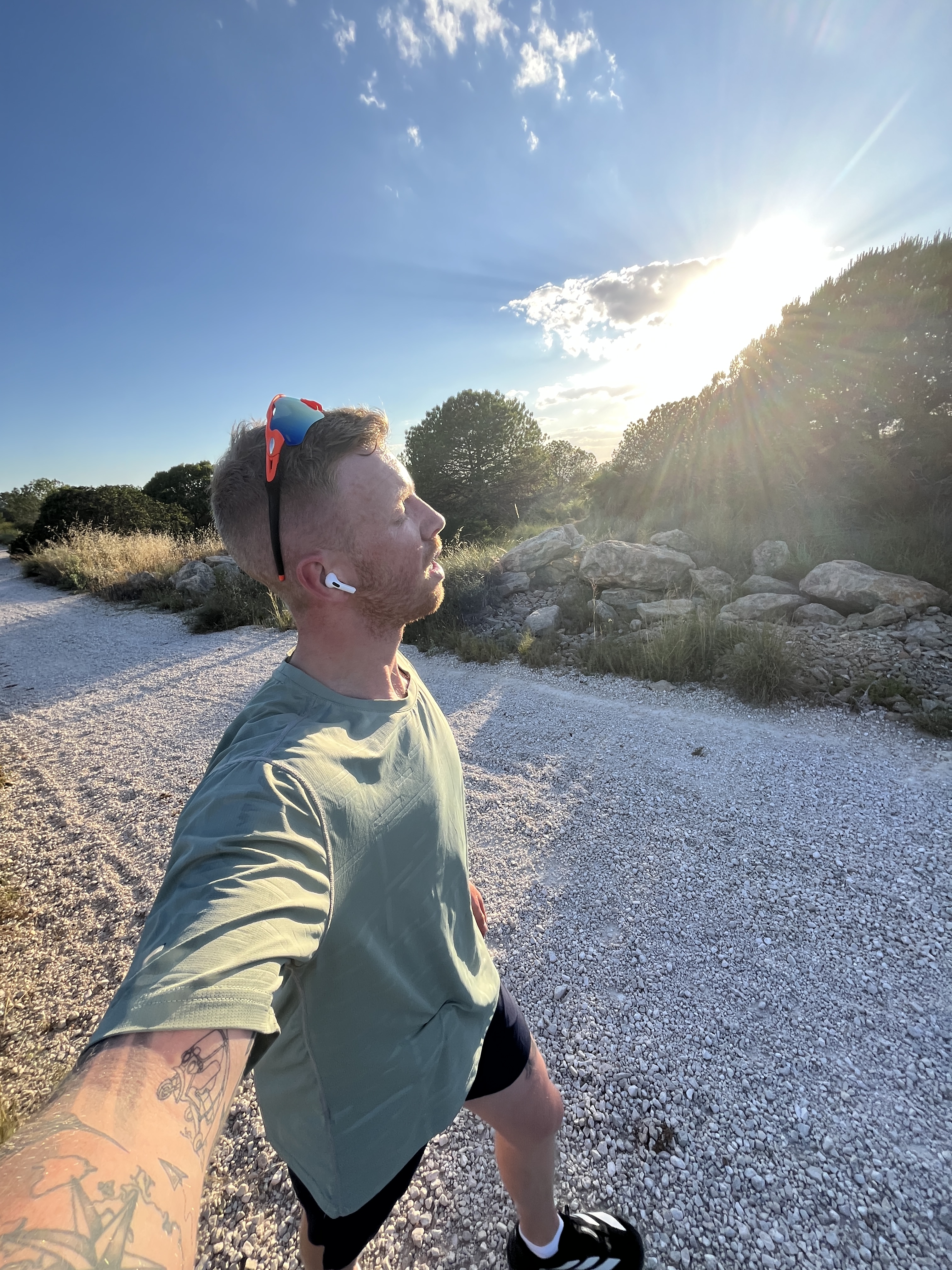
Firstly, run somewhere you genuinely enjoy. Personally, I love trail running. I enjoy getting out into nature, discovering new places, stopping for a coffee, and taking photos along the way. Find a route with scenery or surroundings that excite you, because it makes the entire experience far more enjoyable.
Another option is to run with other people. If you enjoy socialising, encourage friends or family members to join you. If they are not runners themselves, you could always run to meet them somewhere, such as a local coffee shop.
With the growing popularity of running, there are also countless running clubs and social groups that organise public runs during evenings and weekends. These groups bring together like-minded people who simply enjoy running.
A third option is to run with music, podcasts, or audiobooks. Listening to your favourite artist, podcast, or book can make time pass far more quickly and help keep you motivated when the run becomes challenging.
Personally, I also find that what I listen to affects my pacing. Faster music can encourage me to pick up the pace, while calmer music helps me stay relaxed and controlled.
Recover as Hard as You Run
Earlier in this article, I mentioned the importance of adaptation. Adaptation happens after your runs, not during them. It happens because you recover properly through good nutrition, hydration, stretching, and sleep.
Even short runs place stress on your body, so recovery is essential. It is also why you should avoid running too far, too fast, or too frequently when you are first starting out.
Recovery does not need to be complicated. Prioritise hydration throughout the day. Eat a balanced diet built around good-quality whole foods. Get enough sleep. All of these things will help your body recover more effectively and improve your running performance over time.
From personal experience, I have also found that warming up before a run and stretching afterwards makes a huge difference. Whenever I skip these steps, I almost always wake up feeling far stiffer and more achy the following day.
Even a short stretching routine or a simple yoga session can help loosen your body and leave you feeling significantly better after your runs.
Another important tip is to listen to your body. If you know you have a small injury or a tight area that could affect your run, spend extra time warming it up beforehand. Likewise, if you notice discomfort in a particular area during your run, pay extra attention to it when cooling down afterwards.
The Caveat
While I genuinely believe most people can improve their relationship with running and even learn to enjoy it, there are some people who should actively avoid it.
If you are dealing with a long-term injury or running causes genuine physical pain, there are alternative forms of exercise that may suit your body far better.
Activities such as swimming and cycling place far less stress on your joints while still providing excellent cardiovascular benefits. Running places considerable force through your ankles, knees, and hips with every stride. Estimates suggest that:
Your ankles can experience forces of two to three times your body weight.
Your knees can experience forces of three to five times your body weight.
Your hips can experience forces of five to eight times your body weight.
For context, a person weighing 75 kg may experience forces of well over 300 kg moving through their body during each stride. That is a huge amount of pressure for your joints to manage repeatedly.
This is not something to fear, but if you regularly experience pain or discomfort while running, it may help explain why. Running form also plays a role. Poor posture or inefficient running mechanics can increase stress on certain parts of the body.
So, to conclude, if much of what I have written resonates with you, perhaps you do not actually hate running. Maybe you simply find it tiring, boring, uncomfortable, or difficult to stay motivated with. Hopefully, the tips within this article help you develop a healthier and more enjoyable relationship with running.
That being said, running is not for everybody. For some people, the physical demands it places on the body simply are not worth it. The alternatives mentioned above can improve your cardiovascular fitness in many of the same ways while placing far less stress on your joints.


Leave a Reply