(And Why You Should Set Yours Today)
At the start of this year, I set myself two ambitious goals: to survive the year hangover-free, and to run my first ever full marathon. Setting myself these goals would mean setting myself clear boundaries — avoiding the extra glass of wine, potentially saying no to certain nights out, being more in control when socialising with friends, family, and loved ones, and resisting that third cold beer I really didn’t need. It also meant increasing my training, focusing on healthier habits, and choosing discipline over complacency.
It is now approaching the end of May, and I’m pleased to say I’ve been successful in at least one of those goals. I haven’t had a hangover since the start of the year, and that has coincided with a sharper training routine and better focus in my running. I’ve also taken on cycling and swimming alongside my running, completed two half marathons, and even tried my hand at triathlon. My second goal is firmly on the horizon, with my first full marathon booked for the end of November and a second already lined up for spring next year.

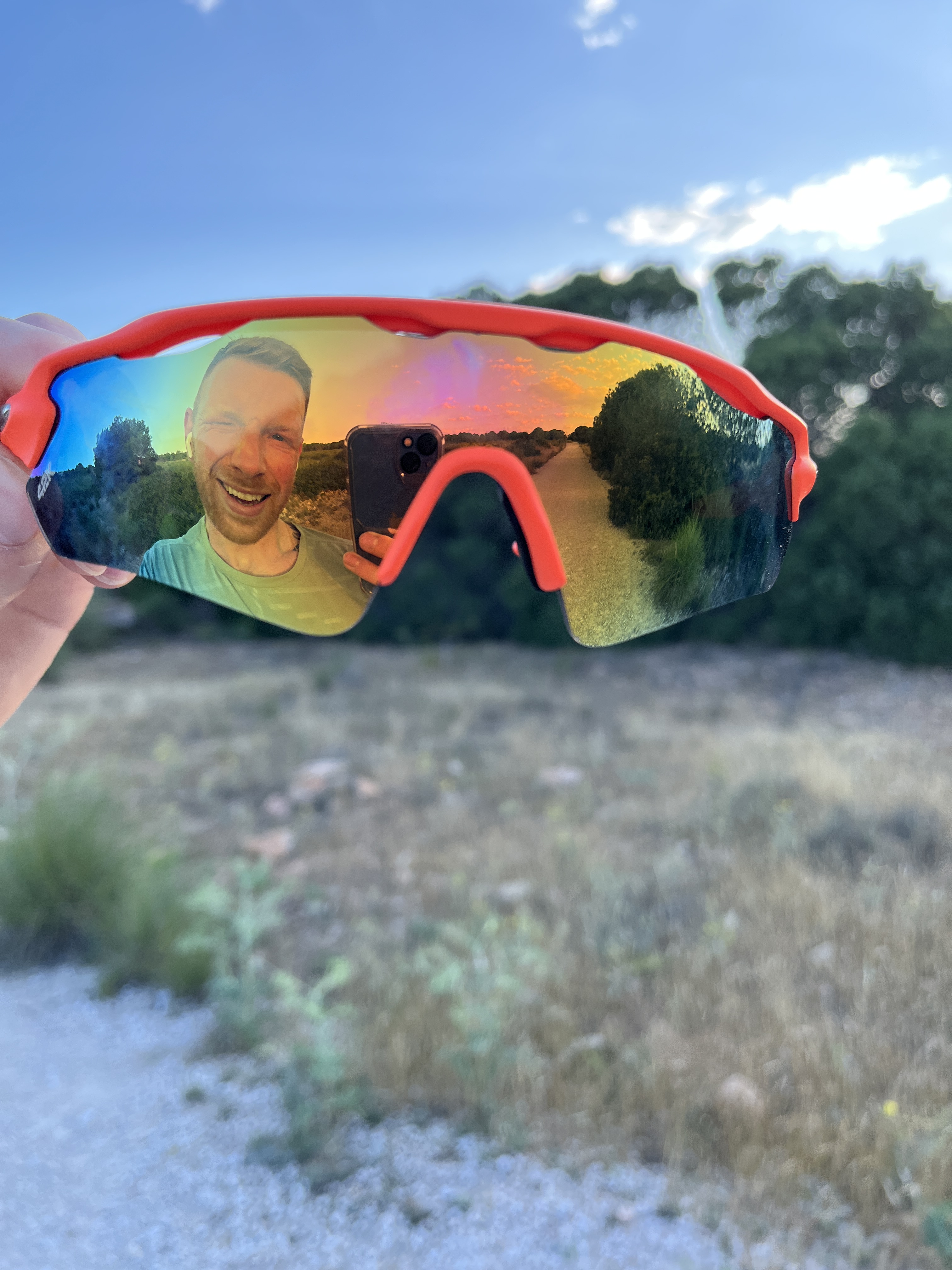

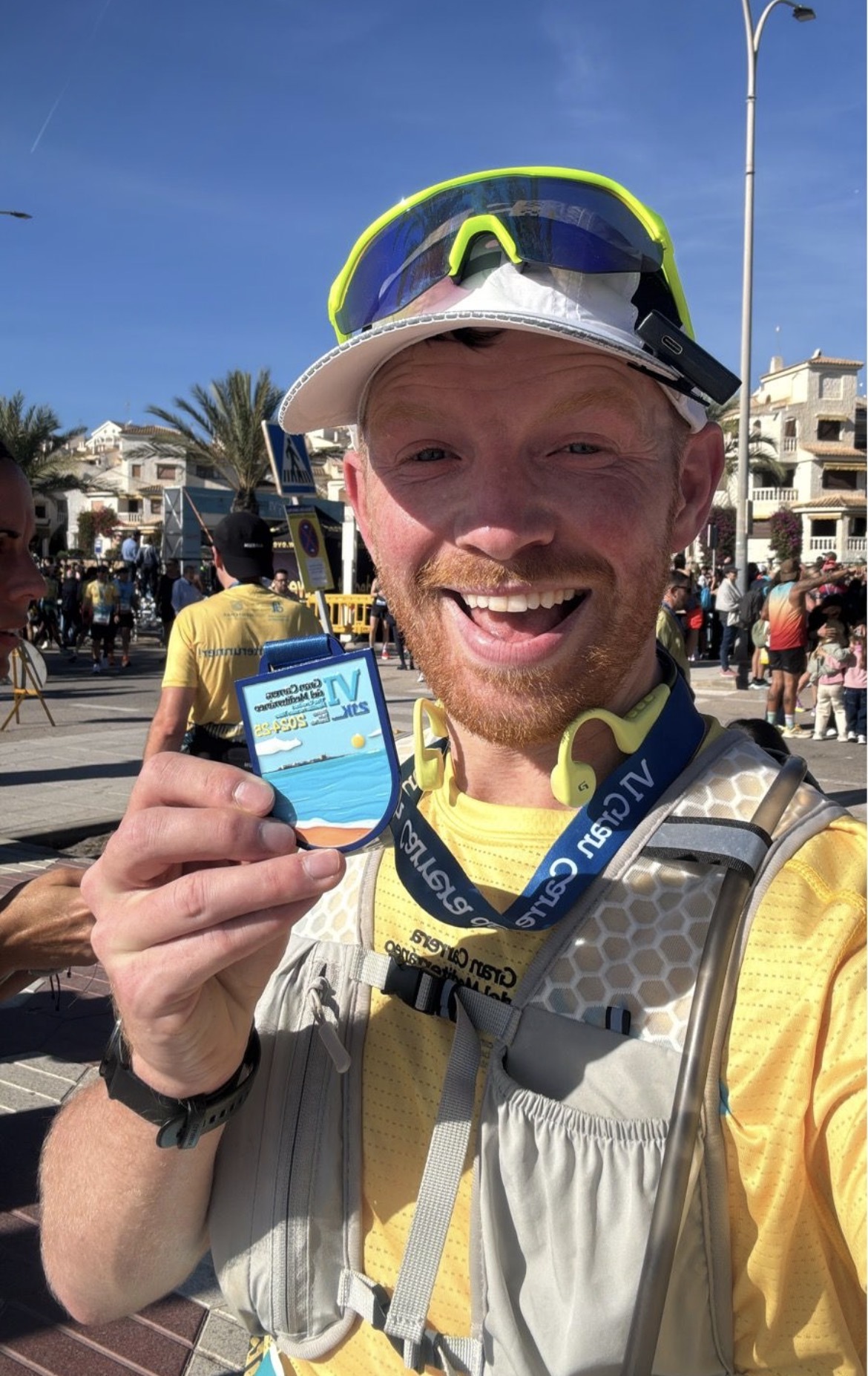
So why am I telling you all this? There’s a Japanese philosophy called Kaizen which centres on the pursuit of continuous self-improvement. While Kaizen doesn’t specifically refer to big, ambitious goals, the concept makes me reflect on the long-term targets I’ve set myself and the habits I’ve built to see them through. Ambitious goals are rarely achieved in isolation. Take running a marathon, for example. There are many smaller goals and habits that need to fall into place long before you reach that start line — reducing alcohol intake, eating a more balanced diet, sticking to consistent weekly training, and prioritising recovery. Without those smaller, achievable stepping stones, the marathon itself becomes a much harder mountain to climb.
“Aim for the moon, and if you miss, at least you’ll be among the stars.”
Setting ambitious targets is very rarely actually about the goal itself. Yes, if I finish this year hangover-free and cross the finish line of my first marathon, there will be a real sense of accomplishment — but it’s the small wins, the daily habits, and the incremental improvements that will have the biggest impact on my life overall. The goal is just the destination. The habits are the journey.
The great thing about ambitious goals is that once you achieve one, you build the confidence to tackle the next. The bigger the challenge and the harder the effort, the more you believe in yourself when you come out the other side. I think this has a compounding effect over time. One of my first truly ambitious goals was climbing Mount Kilimanjaro at 19, during my first year of university. I’d never taken on anything like it — travelling to Tanzania for a week-long expedition to the summit of one of the world’s most iconic peaks. And while 20,000 to 30,000 people summit Kilimanjaro every year, don’t be fooled into thinking it’s easy. On the second morning I woke with the worst migraine of my life after eight-plus hours of hiking in the African heat. On the penultimate climb, I had zero appetite and could barely manage a biscuit. In the final metres of the ascent, my body was swaying as though I was drunk — the charming effects of altitude sickness. Friends I climbed with dealt with twisted ankles, vomiting, and hallucinations. The mountain took no prisoners.
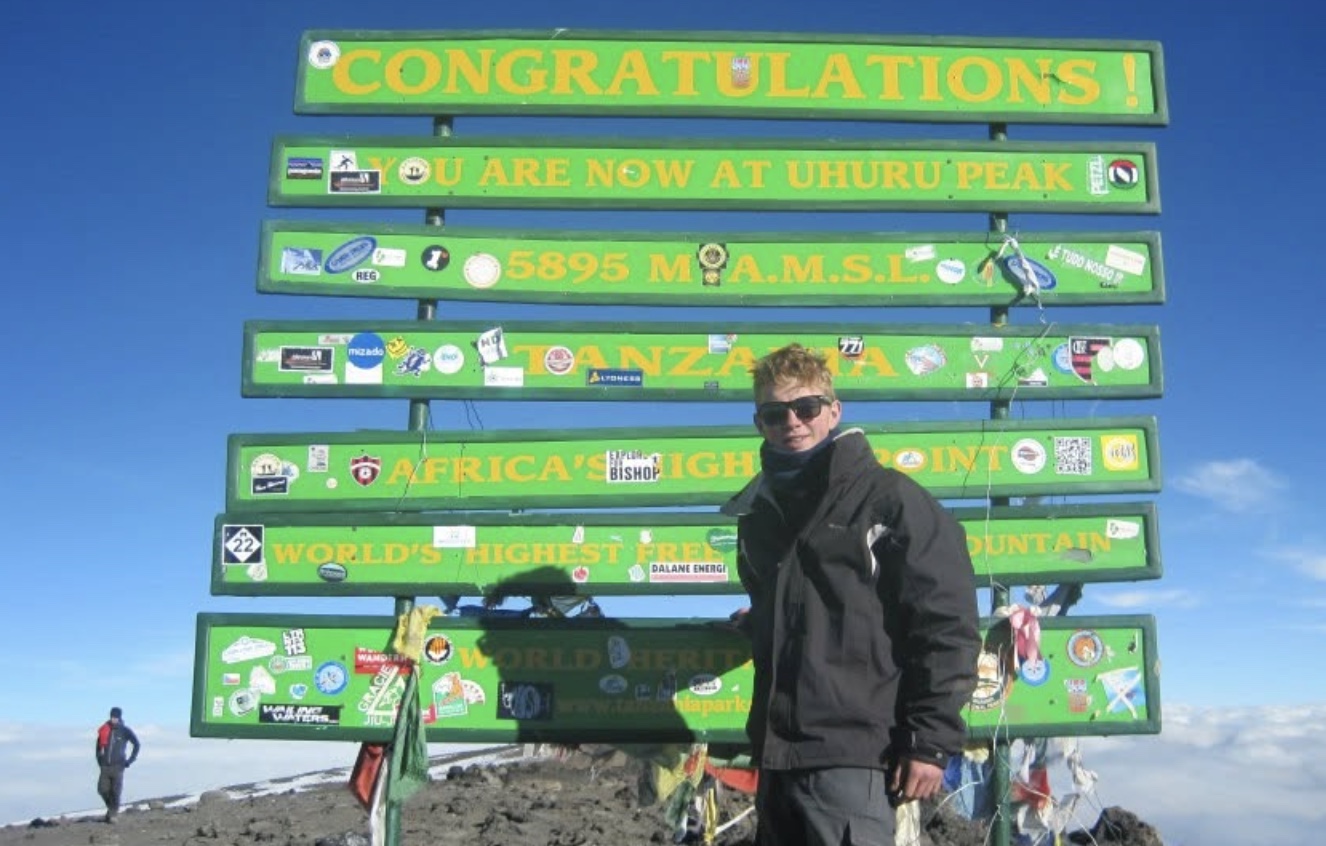
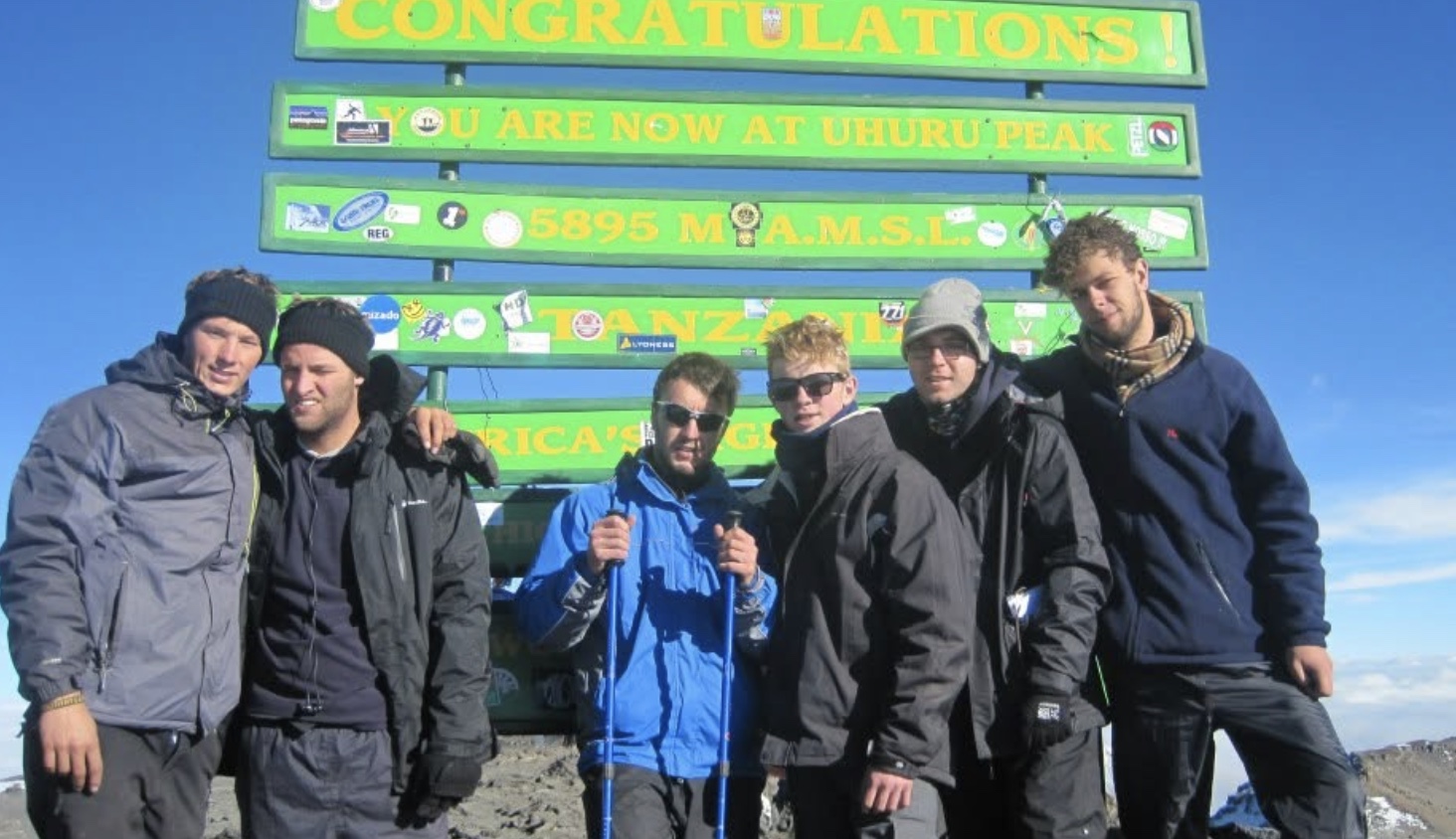
Despite all of it — the sickness, the lack of sleep, the altitude — I made it to the summit just as the sun was rising over the Savannah. What a feeling. What a time to be alive.
That trip changed something in me. Since then I’ve gone on to grade in Jiu-Jitsu all the way to black belt, move halfway across the world to live and teach abroad, attempt to learn Spanish, take up running and complete my first half marathon, and finish my first triathlon. Each goal built on the last. Having something that scares you a little forces you to adapt and become a better version of yourself. And these goals don’t have to be physical — they can be emotional, like seeking therapy or counselling, or professional and intellectual. Working towards something that demands real dedication and growth is a privilege that will enhance your life more than you can imagine.
So here’s your call to action. Reflect on where you are right now. Do you feel stuck? Lacking motivation or energy? Lethargic or lost? Set yourself a challenge — something big enough to scare you a little, but realistic enough that with the right effort, you can actually achieve it. Running your first marathon is a scary goal. Running it in under three hours probably isn’t realistic just yet. Once you’ve set the goal, plan how you’re going to get there. What needs to happen between now and then? Write it down. Remind yourself of it daily. Hold yourself accountable.
Come back to me in a year and tell me how you’re doing. I’ll see you on the other side.
 Active With Alex
Leave a comment